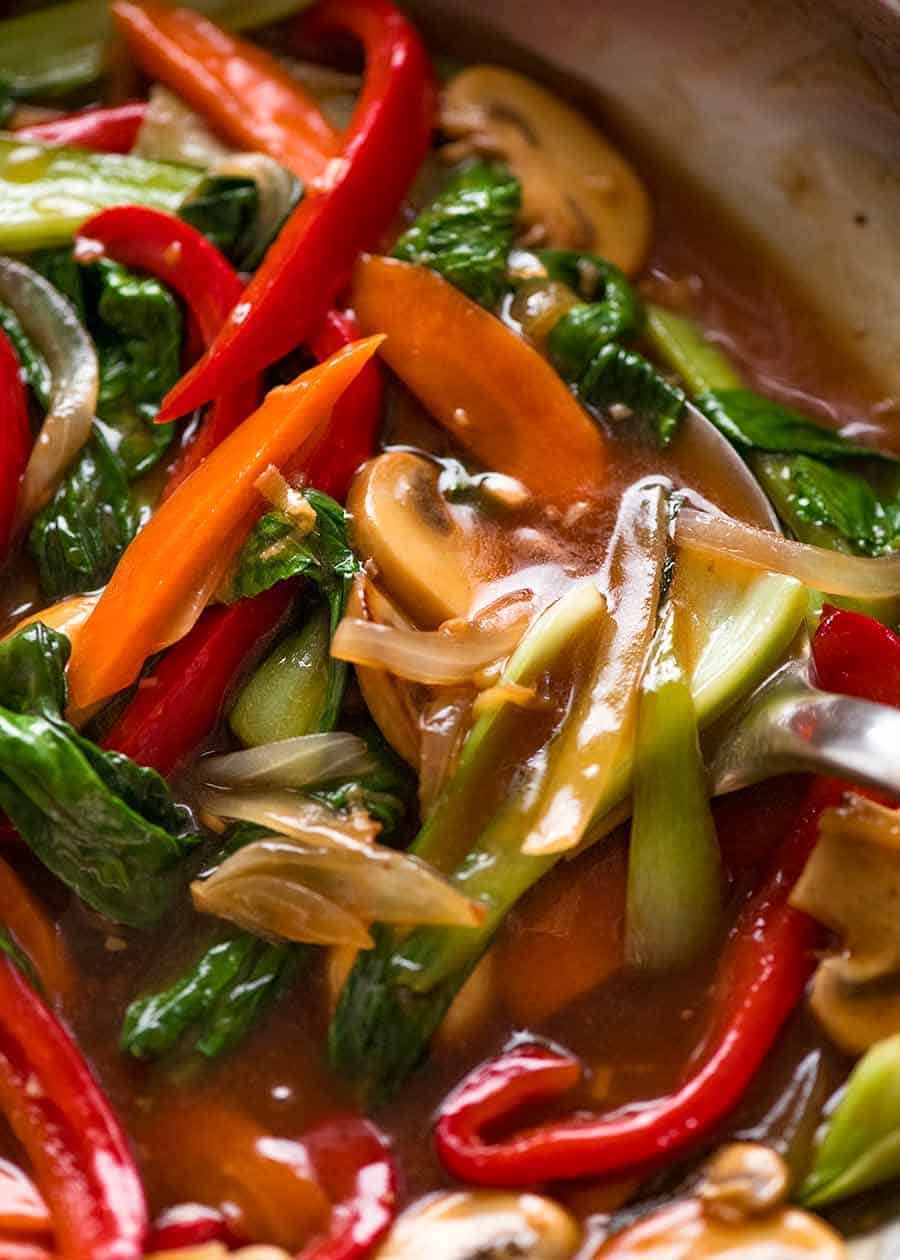
Unlock the Magic of Restaurant-Quality Vegetable Stir Fry at Home
Forget soggy, uninspired vegetable dishes! Imagine a vibrant, crunchy medley of fresh produce, coated in a savory, glossy sauce that rivals your favorite takeout. This isn't just a dream; it's the reality of mastering the art of the
crispy vegetable stir fry. More than just a meal, a perfectly executed
vegetable stir fry is a culinary chameleon – a healthy, fast, and incredibly versatile dish that can rescue your weeknights, utilize fridge leftovers, and even cater to low-carb diets. It's the kind of meal that makes consuming a generous portion of vegetables an absolute joy, not a chore.
For years, many home cooks, myself included, relied on guesswork or avoided stir-frying for fear of a less-than-perfect result. Yet, this humble dish has been a consistent staple in countless kitchens for its sheer adaptability. Whether you’re whipping up a speedy lunch or a wholesome dinner, the principles remain the same: fresh ingredients, swift cooking, and an unbeatable sauce. This guide will reveal the "secrets" to achieving that coveted restaurant-quality texture and flavor, ensuring your homemade
restaurant-quality vegetable stir fry becomes a regular, much-anticipated feature in your meal rotation.
The Golden Rules for Crispy, Vibrant Stir-Fried Vegetables
The quest for the perfect
crispy vegetable stir fry hinges on two fundamental rules, often overlooked but absolutely critical. Adhere to these, and you’ll unlock textures and flavors that are simply irresistible.
1. Mise en Place is King: Prepare Everything Before You Start
Stir-frying is a high-speed cooking method. Once your wok or skillet is hot, the cooking process moves incredibly fast, leaving no time for chopping or scrambling for ingredients. Therefore, the first golden rule is impeccable preparation, often referred to as "mise en place" (everything in its place).
- Chop All Vegetables: Cut all your chosen vegetables to similar, bite-sized pieces to ensure even cooking.
- Mix the Sauce: Whisk together all your sauce ingredients in a bowl beforehand. This prevents burning and allows for quick incorporation.
- Gather Aromatics: Have your garlic, ginger, onions, and any chili ready to go.
- Set Up Your Station: Arrange all your prepped ingredients near your stovetop in the order they'll be added to the pan. This smooth workflow is essential for success.
2. Don't Overcook: Preserve the Crunch and Nutrition
The defining characteristic of a stellar
vegetable stir fry is its texture: vibrant, crisp, and just cooked through, without any lingering raw bite. The goal is to retain a slight "al dente" crunch. Overcooking leads to sad, limp, and nutrient-depleted vegetables. This sweet spot of doneness also represents the optimum point for both flavor and nutritional value. Watch your vegetables closely and err on the side of slightly undercooked rather than overcooked. They will continue to cook slightly from residual heat once removed from the pan.
Crafting Your Perfect Stir Fry: Vegetable Selection & Prep Strategy
The beauty of a
vegetable stir fry lies in its flexibility. It's the ultimate "fridge forage" meal, allowing you to happily consume a ton of vegetables in one sitting, using whatever you have on hand. While you can ignore prescriptive lists and visualize your own ideal combination, understanding the cooking times of different vegetables is key to achieving that perfect crispness.
Strategic Layering: Cooking Vegetables in Stages
To ensure everything cooks perfectly without overcooking delicate items, add vegetables in stages based on their density and cooking time:
Stage 1: Aromatics – The Flavor Foundation
These form the aromatic base of your stir fry. Always start here, stirring quickly until fragrant.
- Examples: Onion, leeks, garlic, ginger, fresh chili.
- Cooking Time: 30 seconds to 1 minute.
Stage 2: Firm Vegetables – Longer Cookers
These vegetables take the longest to soften and should go in after the aromatics, giving them a head start.
- Examples: Carrots (thinly sliced), bell peppers/capsicum, stems of Asian greens (like bok choy or gai lan), zucchini/courgettes, eggplant, asparagus, green beans, canned baby corn, okra.
- Cooking Time: 2-4 minutes, depending on cut.
Stage 3: Quicker Cooking Vegetables
These require less time and can be added a minute or two after the firm vegetables.
- Examples: Snow peas, kale, cabbage (shredded), mushrooms (especially Asian varieties like shiitake).
- Cooking Time: 1-2 minutes.
Stage 4: Delicate Vegetables – Last Minute Toss
These fragile items need only a brief toss until they are just wilted, preserving their freshness and light crunch.
- Examples: Leaves of Asian greens (bok choy leaves), spinach, bean sprouts, fresh herbs (cilantro, Thai basil), green onions.
- Cooking Time: 30 seconds to 1 minute.
Special Considerations for Certain Vegetables
Some vegetables benefit from pre-cooking to achieve the desired texture within the fast-paced stir-fry environment:
- Denser Vegetables: Broccoli florets, cauliflower florets, and broccolini should be blanched or steamed until partially tender before being added to the stir fry. This ensures they cook through without becoming mushy or requiring excessive stir-frying time. The same applies to harder root vegetables like pumpkin, potatoes, or squash if you choose to include them (though less common in traditional stir-fries).
- Frozen Vegetables: Don't underestimate the power of frozen stir fry veggie mixes or your own freezer stash. They are a fantastic budget-friendly and convenient solution for a quick & easy fridge forage stir fry. Thaw them slightly or add them directly to the pan, ensuring excess water evaporates before adding the sauce.
The Secret Weapon: A Versatile Stir Fry Sauce for Every Palate (and Diet!)
While perfectly cooked vegetables are paramount, the soul of any great
vegetable stir fry is its sauce. The right sauce elevates the entire dish, transforming simple vegetables into something utterly "scoff-able" – just like what you'd find in the best Chinese restaurants.
The Magic of Chinese Brown Sauce
A classic Chinese brown sauce provides a rich, savory, umami-packed coating that clings beautifully to every piece of vegetable. We advocate for making a generous amount of it. Why? Because it’s divine soaking into your rice, noodles, or any accompaniment. This ensures every bite is flavorful, not just the vegetables themselves. This sauce is not just about taste; its slightly thickened consistency creates that appealing glossy finish.
Customization: Tailor Your Sauce to Your Taste
While a basic brown stir fry sauce is a fantastic foundation, it's also highly customizable. Don't be afraid to experiment:
- Heat Factor: Add a dash of sriracha, chili flakes, or a squeeze of fresh chili garlic sauce for a spicy kick.
- Sweet & Tangy: A touch of rice vinegar or a hint of honey/maple syrup can balance the savory notes, creating a sweet and sour profile.
- Extra Umami: A drop of sesame oil or a tiny bit of mushroom powder can deepen the savory complexity.
- Thickeners: Cornstarch or arrowroot powder slurries are common to achieve that desirable thick, glossy texture.
Low Carb? No Problem! The Sauce is Your Friend
For those following a low-carb diet, the good news is that the sauce itself can be made low-carb friendly (using tamari or coconut aminos instead of soy sauce, and a carb-conscious sweetener if desired). Even better, this luscious sauce is particularly adept at disguising cauliflower rice. It coats the "rice" so thoroughly that it becomes a delicious, integrated part of the meal, making your low-carb stir fry option genuinely enjoyable and satisfying.
Serving Suggestions: Beyond the Bowl and Budget-Friendly Ideas
Your magnificent
vegetable stir fry is ready, but how should you enjoy it? Its versatility extends far beyond just a simple bowl.
Main Course or Side Dish?
The choice is yours! Serve your stir fry as:
- A Hearty Main: Pile it over fluffy white rice, nutty brown rice, whole wheat noodles, or for a low-carb twist, cauliflower rice. Add a protein like grilled chicken, tofu, shrimp, or thinly sliced beef for a complete meal.
- A Flavorful Side: It pairs beautifully with virtually any Asian-inspired dish, from grilled fish to spring rolls. Its Chinese origins don't restrict it; similar vegetable preparations are found across many Asian cuisines.
Creative & Budget-Friendly Uses
Think beyond the traditional serving. A well-made
vegetable stir fry can enhance many other dishes:
- Noodle Integration: Toss freshly cooked noodles directly into the wok with the vegetables and sauce for a one-pan noodle dish.
- Soup Topper: Ladle hot stir-fried vegetables and sauce over homemade Chinese noodle soups or even instant ramen to instantly elevate them into a gourmet experience.
- Meal Prep Powerhouse: Cook a larger batch of stir fry and portion it out for healthy, quick lunches throughout the week. It reheats well, though you might lose a touch of crispness.
- Fridge Forage Champion: As mentioned, this recipe is a lifesaver for using up those odds and ends in your fridge and freezer, minimizing food waste and saving money.
Mastering the art of the
crispy vegetable stir fry is an incredibly rewarding culinary skill. It empowers you to create healthy, fast, and delicious meals that are endlessly customizable to your taste, dietary needs, and whatever ingredients you have on hand. By focusing on smart preparation, quick cooking techniques, and a sensational sauce, you're not just making dinner – you're crafting a vibrant, flavorful experience that will delight your palate and nourish your body, proving that healthy eating can indeed be both exciting and incredibly satisfying. So grab your wok, gather your veggies, and get ready to transform your weeknight meals!